Interesting to talk about it. I would prefer to select one of the most prominent victories I have in my life. Being able to choose what fit for you, and do the right things accordingly is a blessing. For each piece of happiness and well-being we have, we owe God a thank.
“Anxiety does not empty tomorrow of its sorrows, but only empties today of its strength.” — Charles Spurgeon
Tips to fight the anxiety
There are a number of things you can try to help combat anxiety, including:
Behavioral therapy
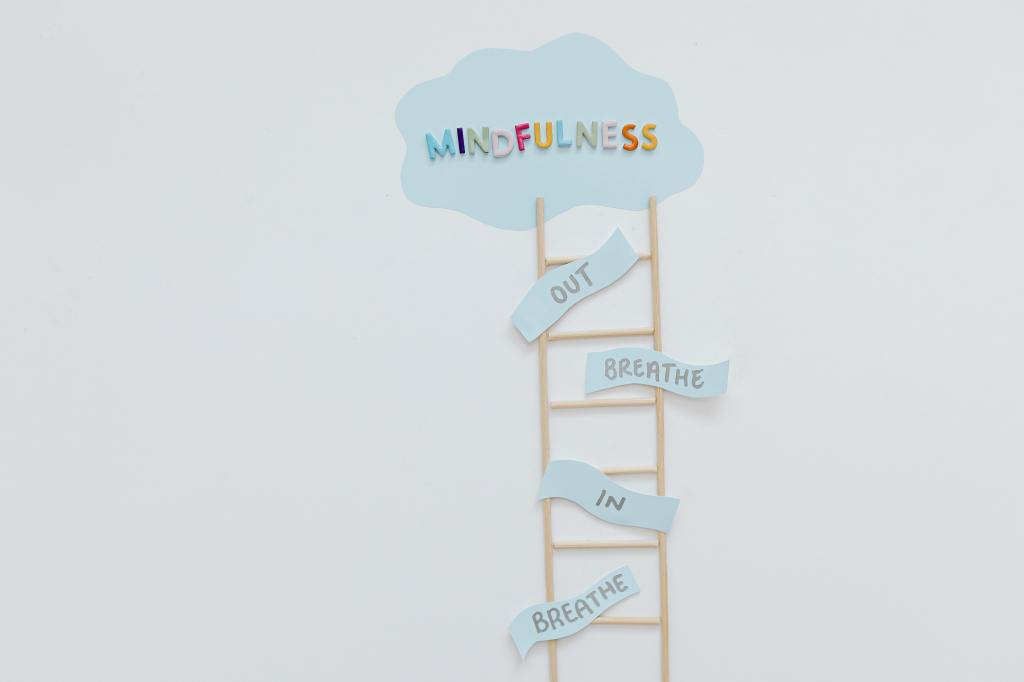
Deep breathing
Exercise
Meditation
Reading
Socializing with others
Speaking with your health care provider
Spirituality
The negative effects of anxiety Left unchecked, anxiety can negatively affect our lives in these ways: Interrupting daily life — Causing issues at home, school, work and socially Isolating us — Not wanting to participate in normal daily activities or take new steps in life due to fear Emotionally — Increasing our risk for depression, suicide and failure to progress in life Physically — Increasing our risk for physical distress, nausea, vomiting, diarrhea, constipation, chest pain and tremors Mentally — Increasing our risk for financial complications, poor decision-making and poor communication
A person with anxiety can seek support from a therapist, medical provider, family member, friend, community support person, crisis line resource or a crisis center. Depending on the severity of your anxiety, a behavioral therapy plan, anti-anxiety medication and/or coping mechanisms may be directed to your personal situation.
Recognition of anxiety is a key factor in dealing with excessive worry and moving forward in life. If you have any of the above symptoms or have difficulty controlling worry in your life, ask yourself if it could be anxiety you’re experiencing. It’s important to share any concerns of excessive worry with your health care provider so we can help you identify ways to address your anxiety and move past the debilitation of excessive worry.
List three books that have had an impact on you. Why?
The first one is Robinson Crusoe, during my childhood. So impresing and fascinating, it amazed me at the point where I would love to spent my entire life in an island (tropical maybe). Don Quixote is one of the best of its kind and surely the third one is Alchemist.
“Sometimes I’m sad and tired and miserable for no reason at all“
Obviously, there’s no clear answer. Most of the things that make you more likely to get depression are things you can’t control, including your genes, chemicals in your brain, and your environment. For many people, depression starts after a major life change or trauma. It can also happen if you have another health problem, such as cancer, diabetes, or Parkinson’s disease.
However there are some tips to help prevent this disease
1. Find ways to handle stress and improve your self-esteem. 2. Take good care of yourself. Get enough sleep, eat well, and exercise regularly. 3. Reach out to family and friends when times get hard. 4. Get regular medical checkups, and see your provider if you don’t feel right. 5. Get help if you think you’re depressed. If you wait, it could get worse.
If you do have depression, you can do a few things to keep it from getting worse.
If you do have depression, you can do a few things to keep it from getting worse.
Stick with your treatment plan. If you are on medicine, take it as prescribed, whether you feel good or not. Don’t skip therapy sessions. Let your doctor know what is and isn’t working for you.
Avoid alcohol and recreational drugs. It may seem like these make you feel better. But they can actually make it harder to treat your depression.
Try ways to fight stress, like meditation and yoga.
Spend time with family and friends. Think about joining a support group. Do things that keep you connected to others.
Know yourself. Pay attention to the things that seem to make your symptoms worse. Keep notes and tell your doctor or therapist about it.
Don’t make big life decisions on a day when you’re feeling down.
Talk to your therapist or doctor about medicine that can stop depression from coming back.
Article referred to Centres for Disease Control and Prevention
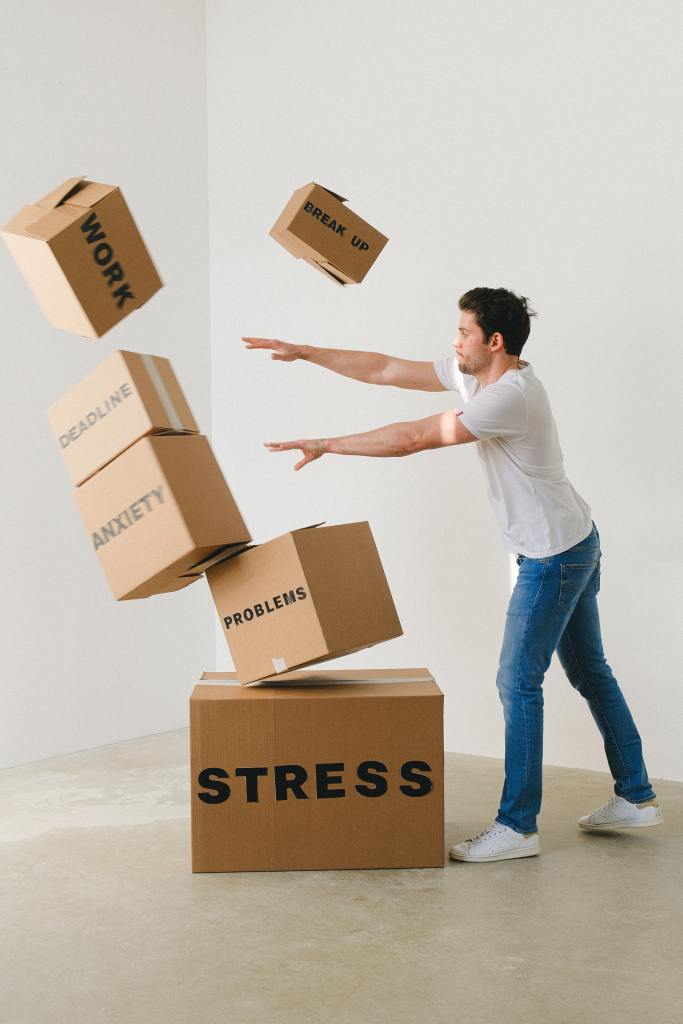
More and more people are dealing with stress. In August 2022, more than 32% of US adults reported having symptoms of anxiety and depression
Taking breaks throughout the day may help relieve stress, ease tensions, or lessen worry. But we often don’t take breaks. Even 10 minutes is enough to improve your mental health. Let’s commit to taking 10 minutes at this moment to do something for ourselves.
Some activities to reduce your stress
Be active—Take a dance break! Lift weights. Do push-ups or sit-ups. Or kick around a soccer ball for a few minutes.
Close your eyes, take deep breaths, stretch, or meditate.
Write three things you are grateful for
Check in with yourself—take time to ask yourself how you are feeling.
Take care of your body
Laugh! Think of someone who makes you laugh or the last time you laughed so hard you cried.
Find an inspiring song or quote and write it down (or screenshot it) so you have it nearby.
Having meaningful relationships can create a sense of belonging. A feeling of being cared for, valued, and supported can help us become more resilient. Connecting with others can help us cope with stress. Here are some ways to reduce stress by connecting with others:
Staying physically healthy can improve you emotional well-being. Here are some suggestions to better improve your health:
Reach out to your community, family members, or friends. Talk with someone you trust about your feelings/concerns
Make time for cultural, spiritual, or religious activities.
Volunteer with organizations that interest you.
Eat healthy. Have fruits and vegetables, lean protein, whole grains. Limit foods with unhealthy fats, salt, and added sugars.
Get outside with others, connect with nature, and explore green spaces.
Move more and sit less. Every little bit of physical activity helps. Start small and build up to 2 1/2 hours a week or 20 to 30 minutes a day.
Get enough sleep. Go to bed and wake up at the same time each day to help you sleep better. Adults need 7 or more hours per night.
Avoid using illegal drugs or prescription drugs in ways other than prescribed.
Limit alcohol intake. Better option? Choose not to drink.
Avoid smoking and restrict tobacco products intake
It isn’t the mountain ahead that wears you out; it’s the grain of sand in your shoe.”―Robert W. Service An article from Harvard Medical School experts If you’re currently working, you probably know that feeling of being stressed while performing you daily tasks. A must-do project, three emails you have to answer immidiately, phones ring, […]






 Health science